Skip links

WASH Projects

Clean Water, Healthier Communities

Clean Water, Healthier Communities

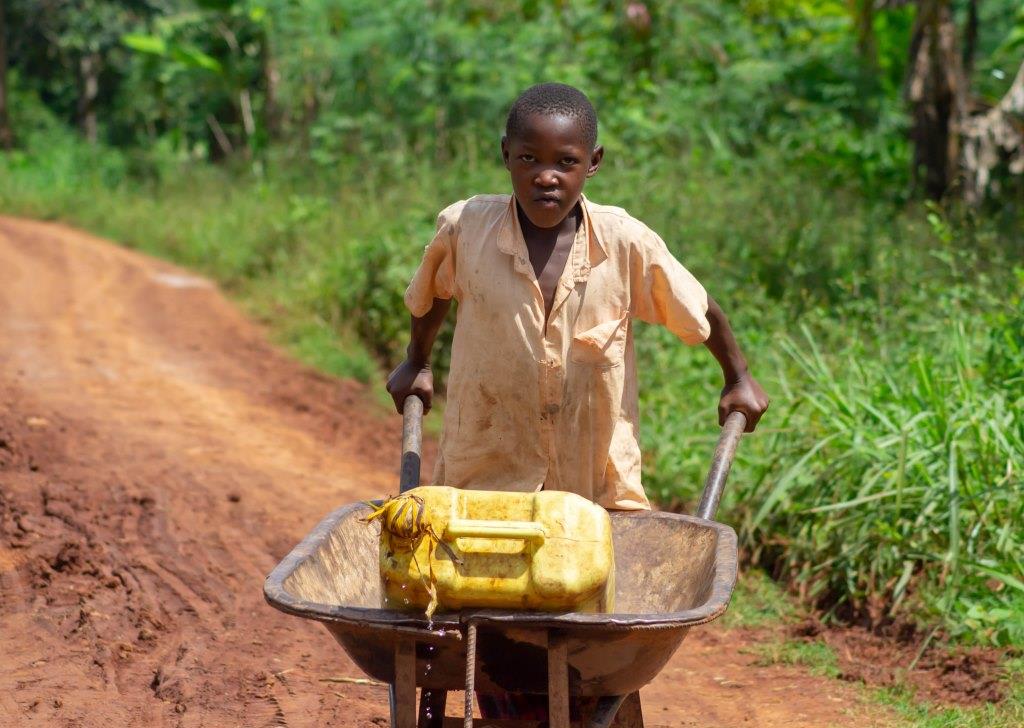
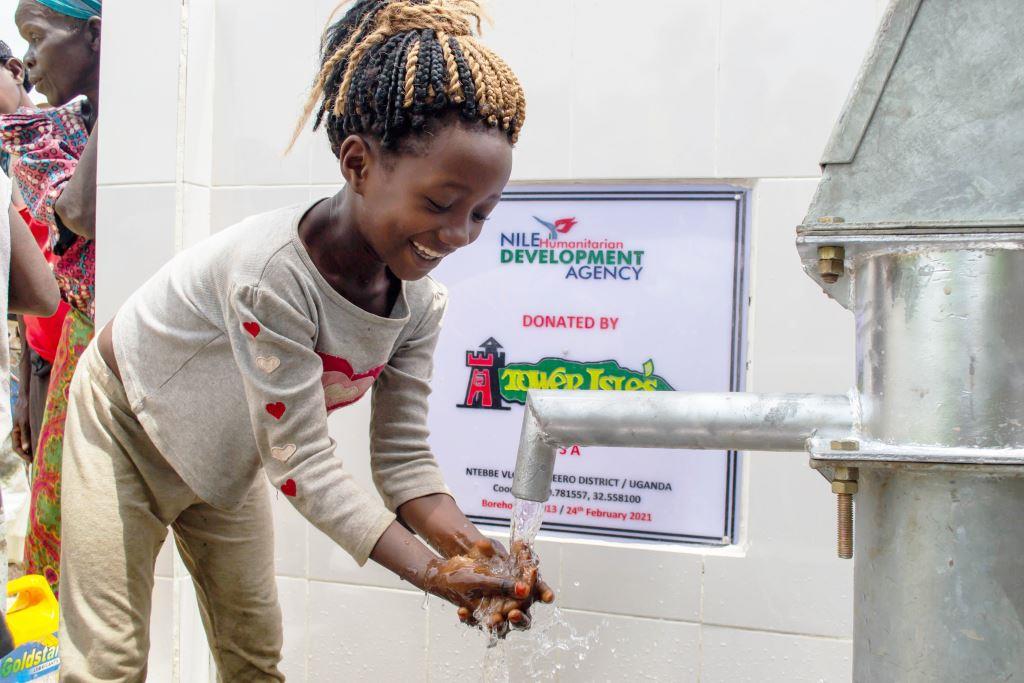
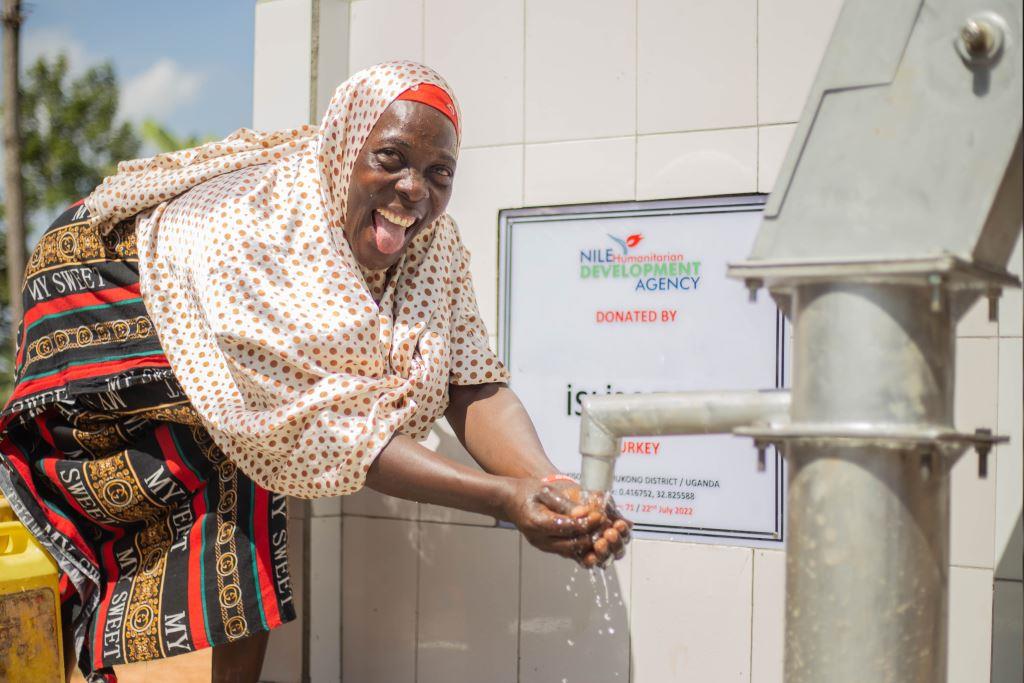
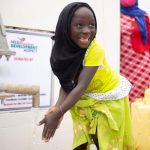
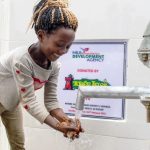
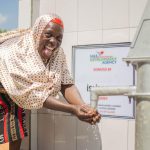
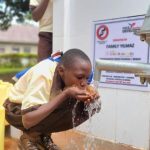
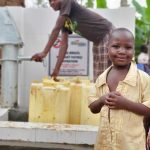
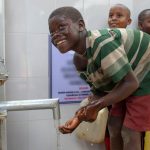
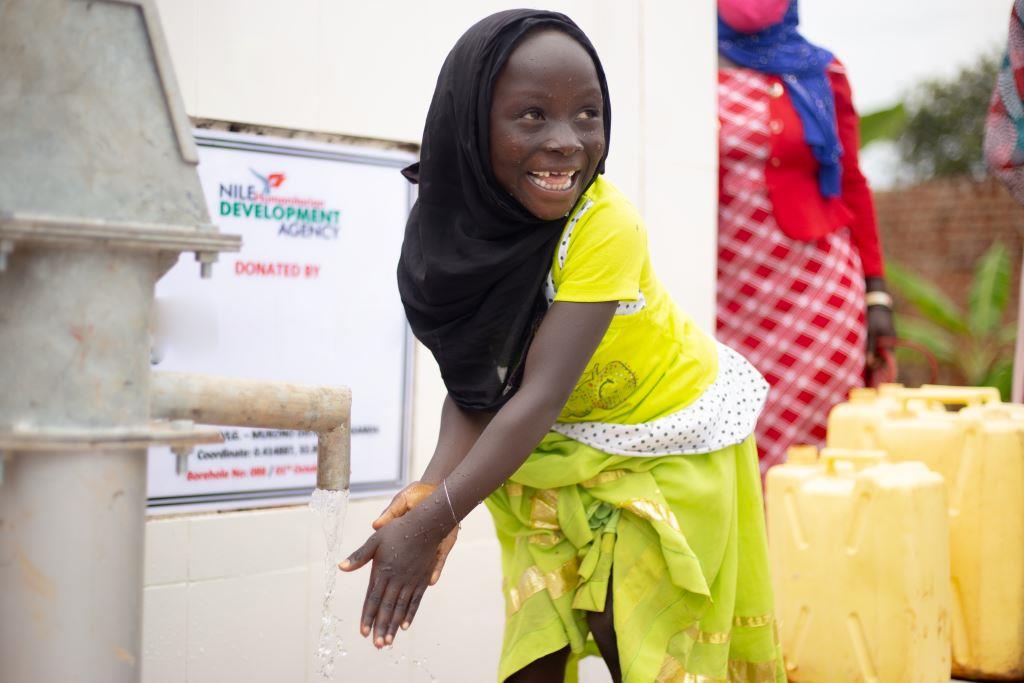
Waterborne diseases thrive where clean water is scarce. NHDA’s WASH (Water, Sanitation, and Hygiene) projects install boreholes, rainwater harvesting systems, and communal latrines while teaching hygiene practices like handwashing. In refugee settlements and rural villages, we combat cholera and malnutrition by ensuring safe drinking water and sanitary facilities. Our community-led approach fosters long-term ownership, reducing child mortality and freeing women and girls from hours spent fetching water.

We drill boreholes, construct latrines, distribute reusable pads and teach hygiene to ensure clean water and health.

How the Community Benefits

  • 💧 Saves lives by reducing waterborne diseases (cholera, dysentery).

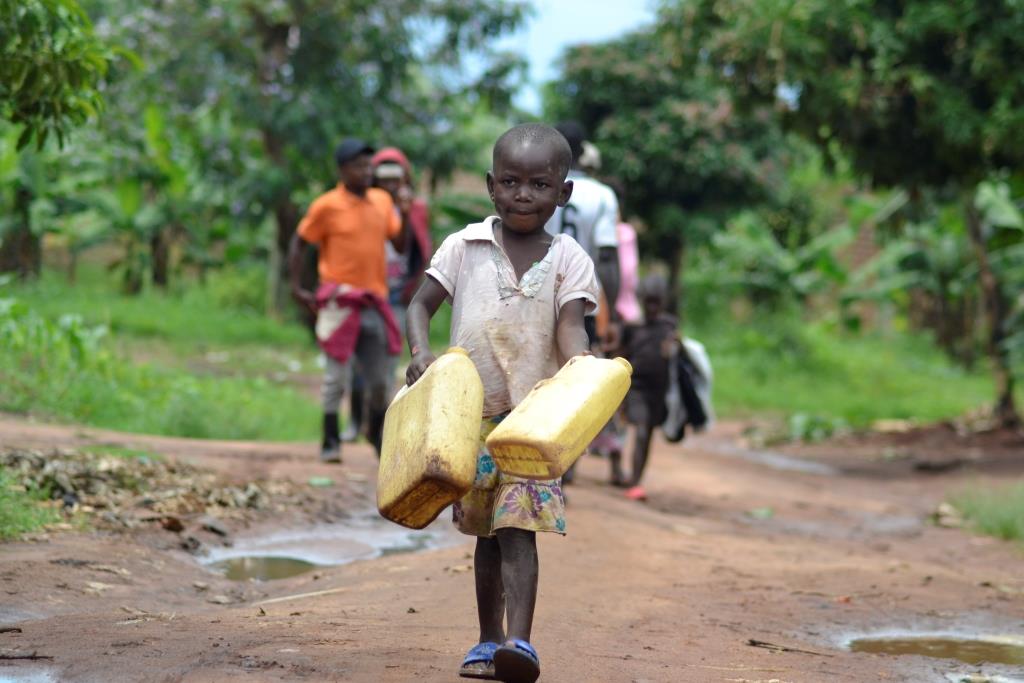
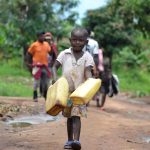
  • ⏳ Saves time for women/girls (no long walks to fetch water).

  • 🧼 Promotes hygiene through community training and sanitation facilities.

  • 🌱 Supports agriculture with reliable water sources for farming.

Borehole Projects

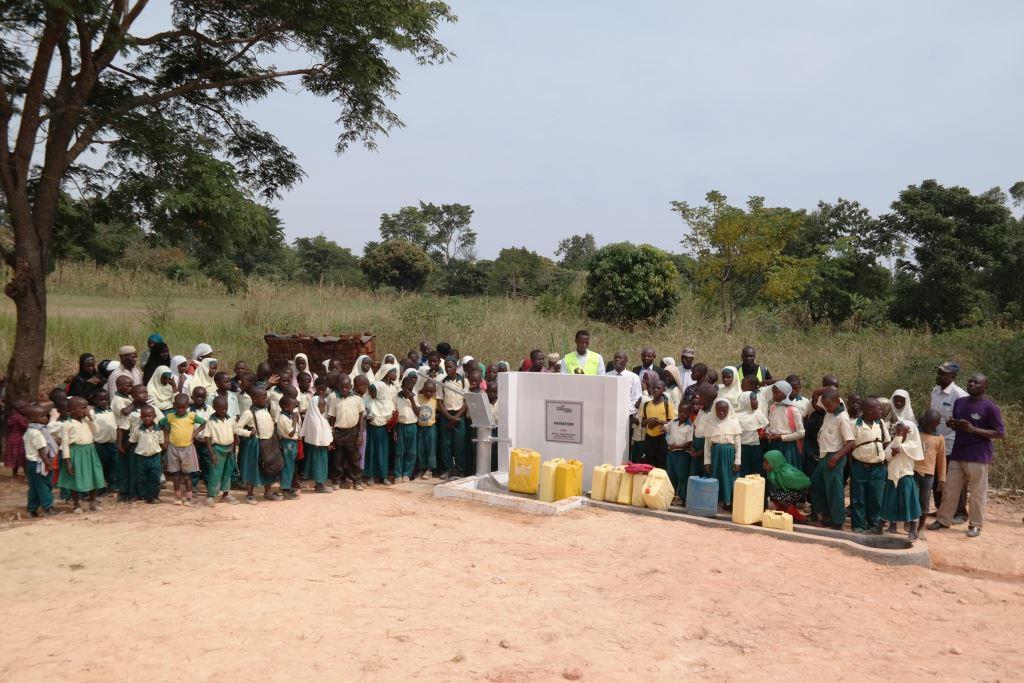
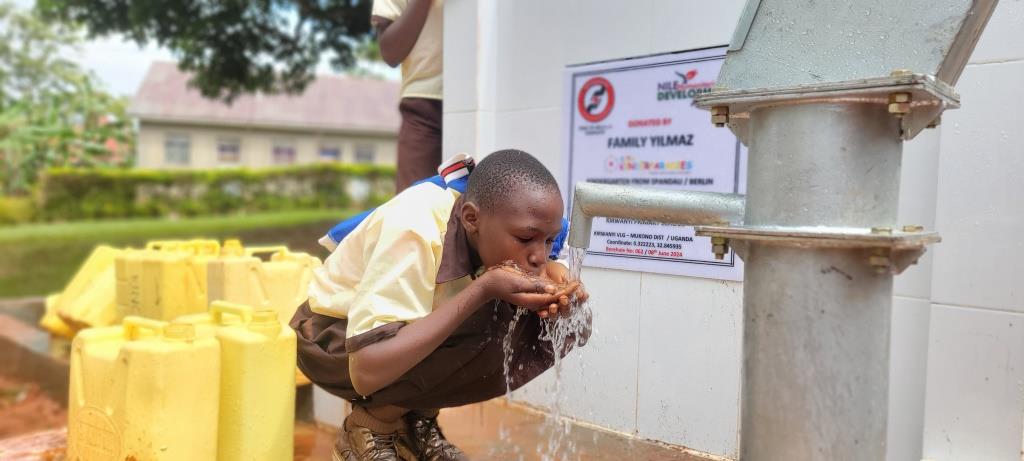
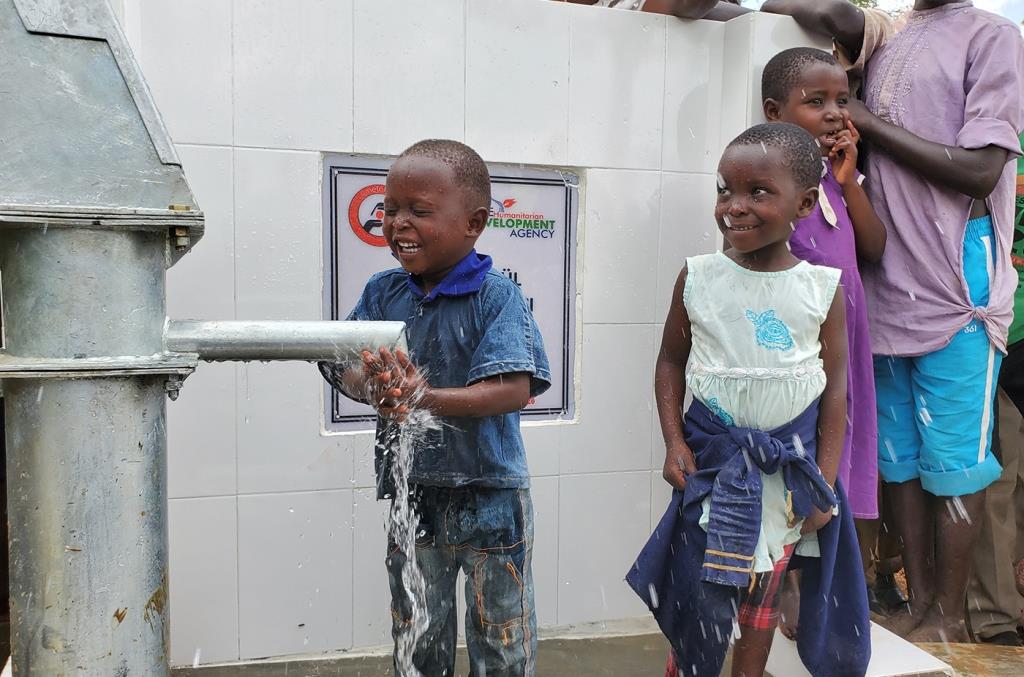
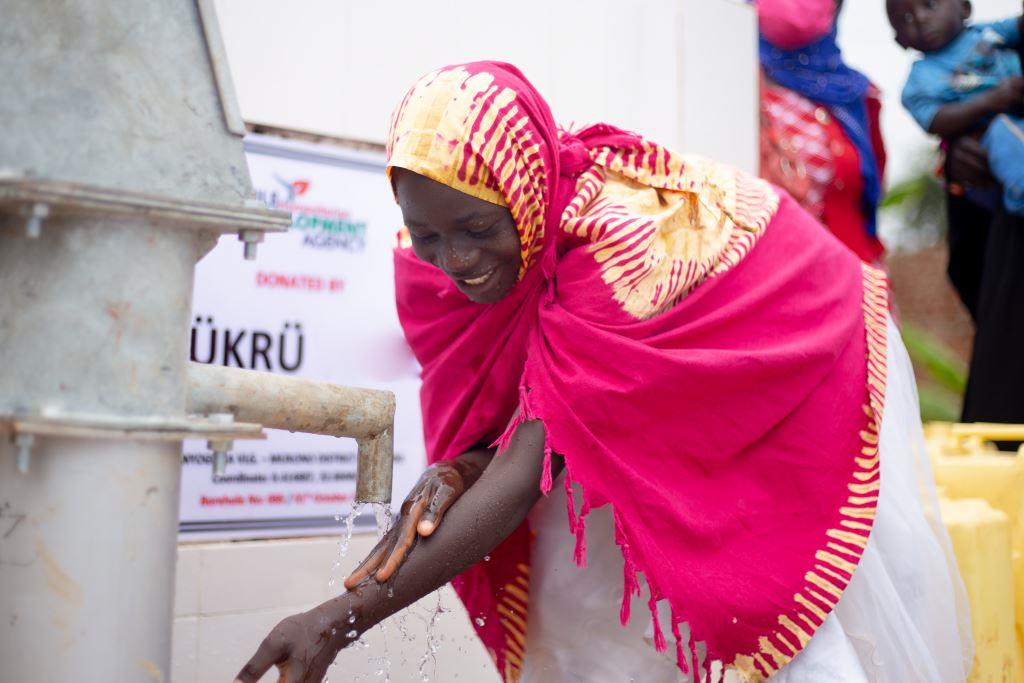
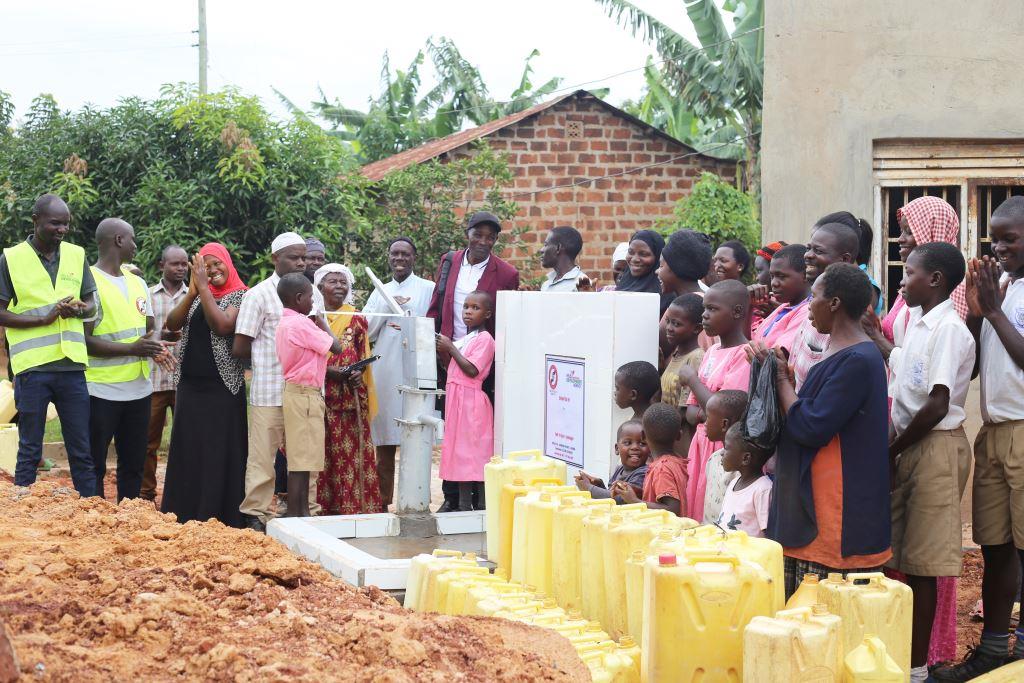
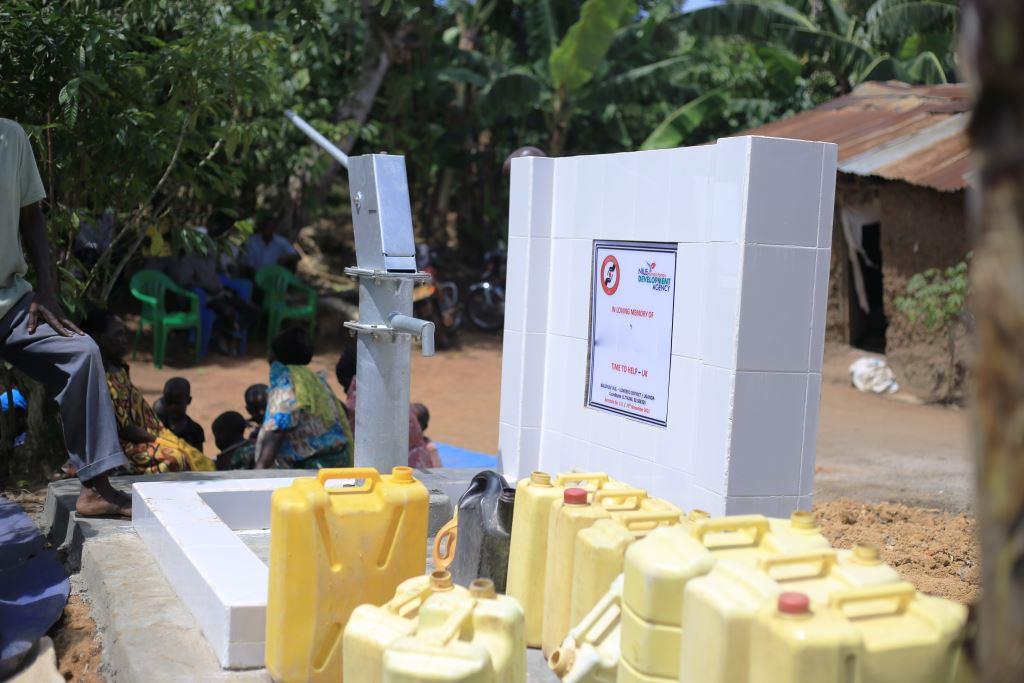
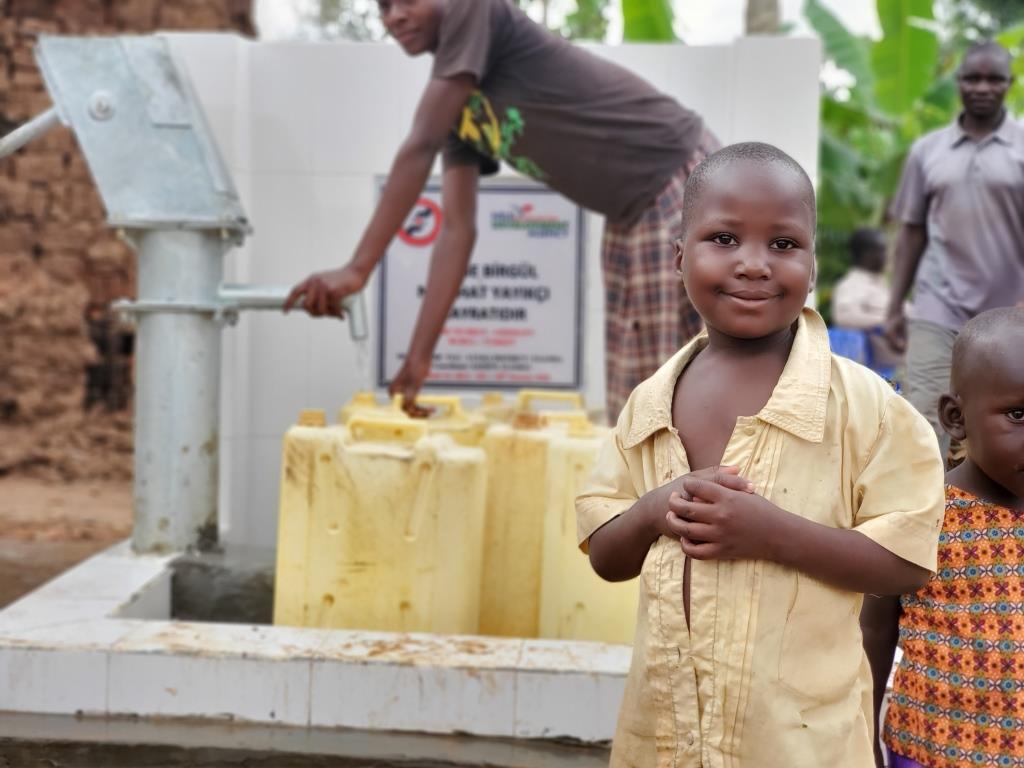
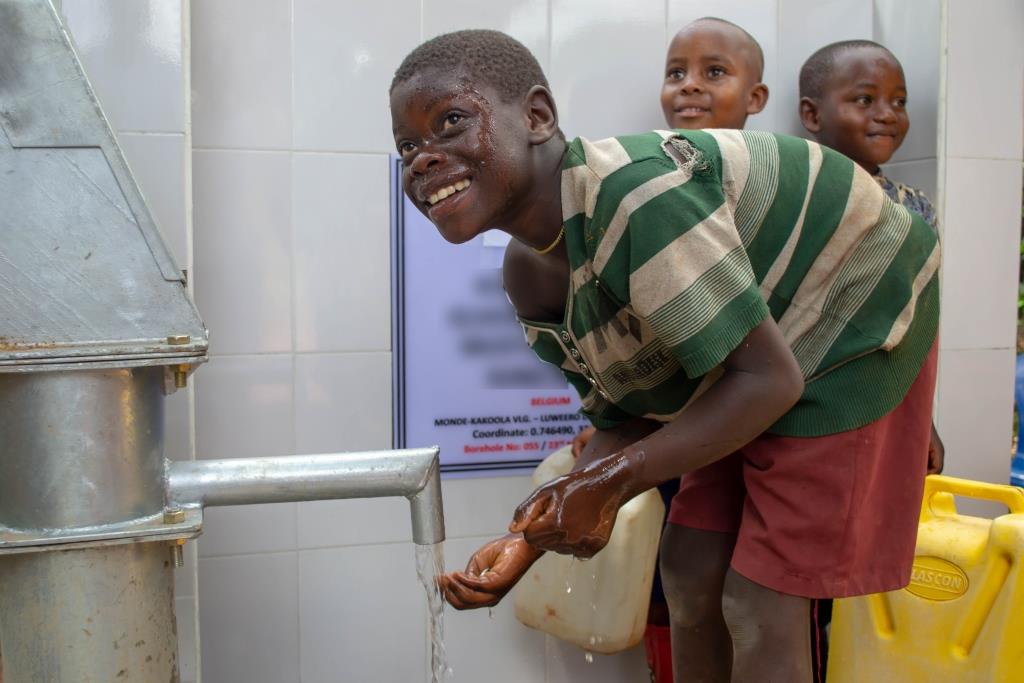
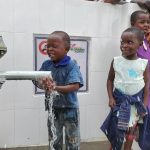
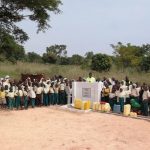
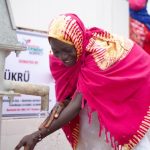
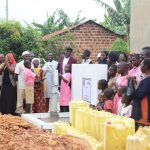
Since its inception in 2009, NHDA has prioritized access to clean and safe water through the construction of boreholes in remote and water-stressed areas.

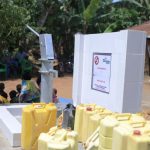
Many communities in Uganda still rely on contaminated water sources such as ponds, swamps, or distant rivers, which exposes them to diseases like cholera, typhoid, and dysentery. NHDA steps in to bridge this gap by identifying high-need areas, conducting technical assessments, and installing boreholes close to schools, health centers, and community hubs.

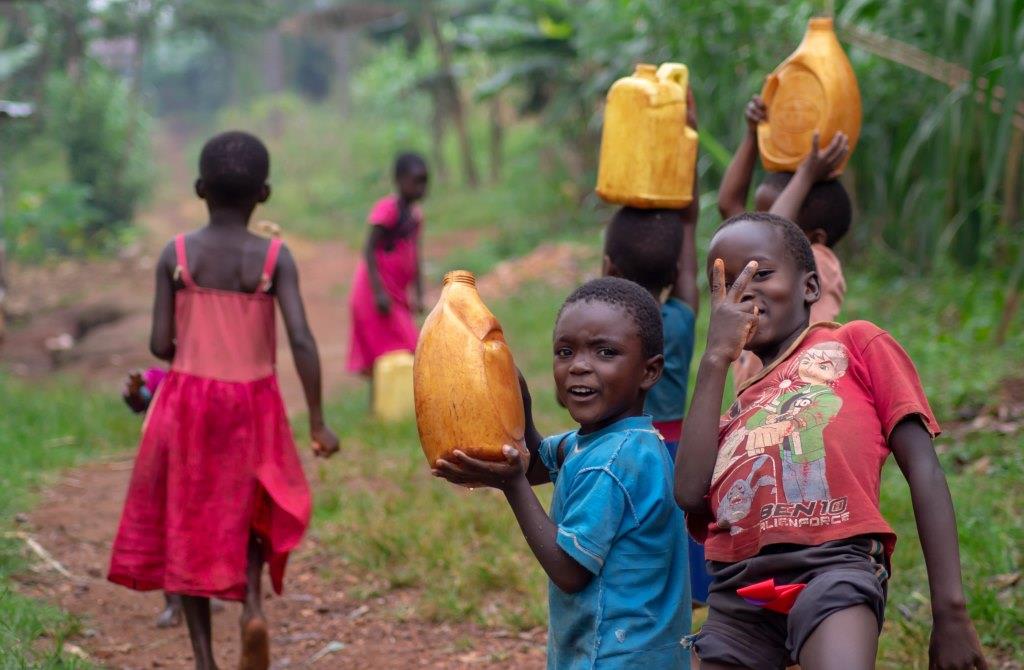
Beyond access to water, these boreholes help reduce the burden on women and children who often walk long distances to fetch water. With clean water readily available, children are more likely to attend school regularly, and families can practice better hygiene and sanitation. NHDA continues to monitor and maintain these boreholes in partnership with local leaders and water committees to ensure long-term sustainability.

Sanitation Facilities

Proper sanitation is essential for public health, yet many schools and rural households in Uganda lack safe latrines or handwashing stations.

NHDA addresses this by constructing gender-sensitive latrine blocks in schools, marketplaces, and community centers. Each facility is built with durability in mind and is designed to serve large numbers of people while maintaining privacy and safety.

In addition to construction, NHDA conducts hygiene education sessions, teaching beneficiaries about handwashing, waste management, and disease prevention. These efforts go hand-in-hand with the WASH program’s goal to reduce preventable illnesses and improve community well-being. The combination of hardware (facilities) and software (behavior change) makes NHDA’s sanitation interventions both effective and sustainable.

Reusable Pads Project

Menstrual hygiene is a major barrier to education for many girls, especially those in poor and rural areas.

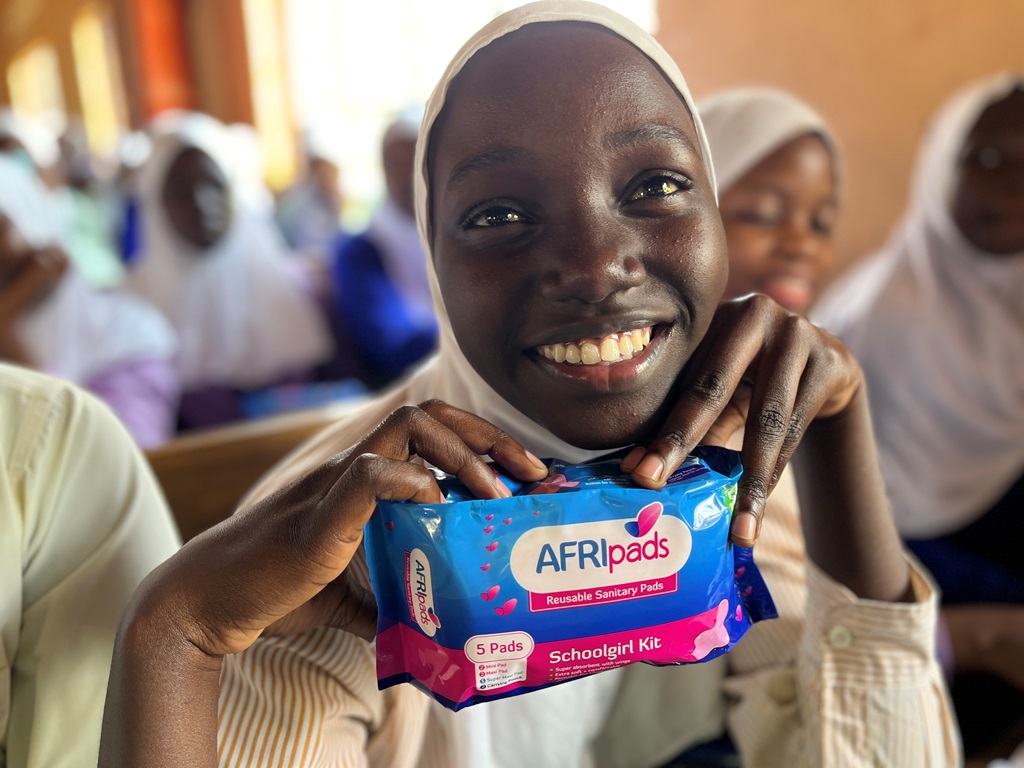
NHDA’s Reusable Pads Project tackles this by training young women to produce reusable sanitary pads and then distributing them to schoolgirls. The training component helps the women generate income, while the distribution component supports girls to stay in school without interruption.

Each distribution is paired with a health education session on menstrual hygiene, body changes, and self-care. The pads are washable, durable, and environmentally friendly, providing a sustainable alternative to disposable options. This project addresses both economic empowerment and gender equity in education.

With this project, NHDA focuses entirely on the distribution of reusable menstrual pads to girls and women. The target group includes students, refugees, and women in hard-to-reach communities. Pads are distributed alongside health education sessions covering menstrual hygiene, reproductive health, and body awareness.

By providing a sustainable, washable alternative to disposable pads, the project helps reduce absenteeism among schoolgirls and restores dignity to women who would otherwise rely on unsafe materials. The initiative also challenges the stigma around menstruation through open discussion and community engagement. For many recipients, this is the first time they have received factual, respectful information about their bodies.

Join hands with NHDA—your partnership can transform lives, restore dignity, and build resilient communities in Uganda. Together, we rise!

This website uses cookies to improve your web experience.
Explore
Drag